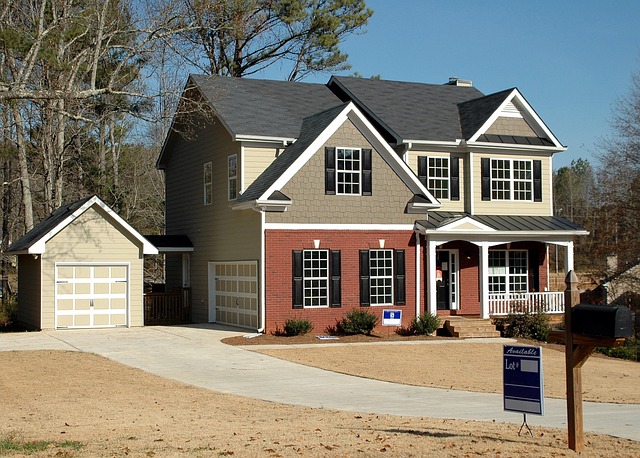
In Phoenix, builder incentives for new homes highlight walkable districts as attractive urban living options with key advantages like enhanced accessibility, reduced carbon emissions, and lower costs. Master-planned suburbs, popular for their community atmosphere and amenities, offer alternative suburban lifestyles. Both options appeal to diverse buyers, with walkable areas catering to convenience and active lifestyles while suburbs provide larger homesites and quieter ambiances. Understanding these trends and incentives is crucial for prospective homeowners seeking rewarding homeownership experiences in Phoenix's evolving housing market.
As urban areas continue to grow, the debate surrounding walkable districts versus master-planned suburbs intensifies. The choice between these living environments significantly impacts residents’ quality of life, health, and community engagement. While walkability fosters a vibrant, interconnected neighborhood, master-planned suburbs offer a more controlled, self-contained lifestyle.
This article delves into the pros and cons of each, highlighting the role of builder incentives for new homes in Phoenix as natural solutions to promote development that balances these attributes. We aim to provide valuable insights to residents, developers, and urban planners navigating this crucial dilemma.
- Understanding Walkable Districts: Urban Living Redefined
- Master-Planned Suburbs: The Suburban Dream Unveiled
- Builder Incentives in Phoenix: A New Homeowner's Guide
- Pros and Cons: Choosing Between Walkability and Suburbs
- The Future of Housing: Trends Shaping Urban and Suburban Life
Understanding Walkable Districts: Urban Living Redefined

In the heart of urban living, walkable districts are redefining how we perceive and experience city life. These densely populated areas, characterized by a vibrant mix of residential, commercial, and leisure amenities within walking distance, offer a stark contrast to the traditional master-planned suburbs. In Phoenix, for instance, where the market is witnessing a surge in demand for urban residences, walkable districts are not just trends but essential components of modern lifestyle choices. Builder incentives for new homes in Phoenix, particularly in areas like West USA Realty’s portfolio, often highlight these walkable communities as prime locations, offering buyers substantial benefits.
One of the key advantages of walkable districts is the accessibility they offer. Residents can conveniently stroll to work, schools, parks, restaurants, and entertainment venues, reducing reliance on personal vehicles. This not only contributes to lower carbon emissions but also fosters a sense of community engagement. Phoenix’s 2-1 mortgage rate buydown offers, for instance, have attracted numerous buyers looking to invest in these districts, where the cost of living is often more affordable than in similar suburban settings. The proximity to essential services and amenities makes daily routines easier while enhancing overall quality of life.
Moreover, walkable districts tend to promote healthier lifestyles. Encouraging pedestrians and cyclists over car users leads to increased physical activity, which can have long-term benefits for residents’ well-being. This trend is particularly appealing to younger generations who prioritize sustainability and active living. West USA Realty’s experience in these areas showcases how strategic urban planning can create vibrant communities that cater to diverse needs. As the demand for walkable living continues to grow, builders are incentivized to develop more such districts, making them attractive options for those seeking an alternative to traditional suburban life, with benefits like reduced commuting times, enhanced social interactions, and improved environmental sustainability—all within easy reach on foot or by bike.
Master-Planned Suburbs: The Suburban Dream Unveiled
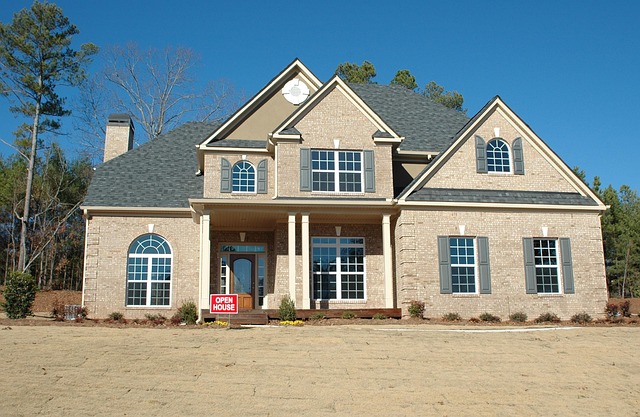
Master-Planned Suburbs: Exploring the Suburban Dream
The allure of suburban living has long captivated Phoenix residents, fostering a desire for well-designed, community-focused neighborhoods. Master-planned suburbs, with their carefully curated layouts and comprehensive amenities, represent the pinnacle of this aspiration. These meticulously planned communities offer a compelling alternative to traditional walkable districts, catering to families seeking a sense of belonging and a higher quality of life. In Phoenix, where the market thrives with builder incentives for new homes, master-planned suburbs have emerged as a sought-after choice, particularly with attractive 2-1 mortgage rate buydown offers available from West USA Realty and other leading builders.
One standout example is the development of [Suburban Community X], located on the outskirts of Phoenix. This master-planned suburb boasts over 500 acres of lush landscapes, featuring an array of residential options, from cozy townhomes to grand estates. The community offers a diverse range of amenities, including top-rated schools, a sprawling central park, and dedicated recreational facilities. Homebuyers can take advantage of builder incentives that make purchasing a new home more accessible, with buydown offers as high as 3 times the typical down payment assistance. This strategy not only attracts buyers but also ensures the suburb’s vibrant growth.
The appeal of master-planned suburbs lies in their ability to foster a strong sense of community and provide a wealth of on-site amenities. Unlike walkable districts, where residential density is often the primary focus, these suburbs offer a more balanced lifestyle. Residents can enjoy easy access to essential services without sacrificing green spaces and recreational opportunities. As Phoenix continues to evolve, master-planned suburbs are poised to play a significant role in shaping the city’s suburban landscape, offering families a peaceful retreat while still keeping them connected to urban conveniences.
Builder Incentives in Phoenix: A New Homeowner's Guide

In Phoenix, the housing market offers a unique dynamic between walkable districts and master-planned suburbs, each with its own allure and incentives for new homeowners. When considering a purchase, understanding builder incentives for new homes in Phoenix can significantly impact your decision, especially with attractive options like the 2-1 mortgage rate buydown offers. These incentives are designed to make homeownership more accessible, but they require careful navigation. For instance, builders often provide financial assistance in the form of buydowns, where the seller credits a portion of the down payment or closes costs, effectively reducing the buyer’s out-of-pocket expenses. In some cases, these offers can be up to 3 times the typical buydown amount.
In master-planned suburbs like those found throughout Phoenix Valley, builders often incentivize buyers with premium amenities and low-interest financing. This could include discounted rates on mortgage loans, such as the 2-1 mortgage rate buydown, which offers a reduced interest rate for the first two years of the loan term. These incentives are particularly appealing to families seeking well-planned communities with top-notch schools, extensive recreational facilities, and a strong sense of community. For example, West USA Realty has successfully facilitated purchases in such suburbs by educating buyers on these builder incentives, helping them secure their dream homes at competitive prices.
On the other hand, walkable districts within Phoenix cities offer a different set of advantages. Here, builders often focus on creating vibrant, mixed-use neighborhoods with easy access to amenities, employment hubs, and public transportation. Incentives may include waiving certain fees or providing assistance with home renovations to attract buyers who value an urban lifestyle. For instance, developers in the downtown Phoenix area offer 1-3 times buydown assistance, making it easier for young professionals and empty nesters to invest in this dynamic cityscape. When considering these options, new homeowners should carefully evaluate their priorities—whether a low mortgage rate or convenient urban living—and explore the available builder incentives tailored to their preferences.
Pros and Cons: Choosing Between Walkability and Suburbs

When considering where to live, especially in a bustling metropolis like Phoenix, Arizona, prospective homebuyers often grapple with a fundamental choice: embracing a walkable district or opting for a master-planned suburb. Each option presents unique advantages and drawbacks, influencing your lifestyle, homeownership experience, and long-term investment potential. This decision is further complicated by the ongoing evolution of urban planning, where walkability gains prominence, and the traditional suburban model faces scrutiny.
In the heart of Phoenix, walkable districts are sprouting up, offering residents an urban lifestyle with easy access to amenities, employment hubs, and entertainment venues without relying on a car. These areas typically boast dense populations, supporting a vibrant culture and community atmosphere. For instance, consider the historic and trendy neighborhoods in downtown Phoenix or the growing tech hub in the midtown region. Homebuyers in these districts can expect a shorter commute time, lower living expenses compared to suburbs, and potentially higher energy efficiency due to reduced reliance on personal vehicles. Moreover, builder incentives for new homes in Phoenix, such as buydown offers, are more prevalent in walkable areas, making homeownership more accessible with competitive 2-1 mortgage rate options. West USA Realty has been instrumental in facilitating these opportunities, assisting countless families in securing their dream homes in thriving urban centers.
On the other hand, master-planned suburbs offer a different allure, characterized by spacious lots, manicured landscapes, and a strong sense of community. These areas often prioritize car-centric infrastructure with ample parking spaces, wide roads, and dedicated lanes for commuters. Suburban life typically provides more privacy, larger homes, and well-equipped recreational facilities like parks and golf courses. However, longer commute times to urban centers might offset these benefits, especially in a rapidly growing city like Phoenix. Additionally, while suburbs once offered affordable housing, rising construction costs and developer incentives (such as buydown offers 1-3 times the standard amount) can make them less accessible for first-time buyers.
Ultimately, choosing between walkability and suburbs hinges on your lifestyle preferences, financial situation, and long-term goals. For those who prioritize convenience, community engagement, and cost-effectiveness, walkable districts present a compelling case. Conversely, suburban lifestyles appeal to families seeking privacy, spacious living, and a strong sense of neighborhood. Understanding the pros and cons will enable informed decisions, ensuring you select a location that aligns with your values and contributes to a fulfilling homeownership journey.
The Future of Housing: Trends Shaping Urban and Suburban Life

The future of housing is a topic of intense interest, particularly as urban and suburban landscapes undergo significant transformations. One key contrast lies between walkable districts and master-planned suburbs, each with its own allure and implications for home buyers in vibrant locations like Phoenix, Arizona. Walkable districts, characterized by dense development and easy access to amenities, offer a modern urban lifestyle where residents can thrive within a compact, interconnected environment. This trend is increasingly popular due to builder incentives for new homes Phoenix areas like Central City and Downtown, making it attractive for those seeking convenience and an active lifestyle. In contrast, master-planned suburbs, with their carefully designed layout and abundant green spaces, appeal to families and professionals who prioritize community and a quieter, more suburban feel.
The housing market in Phoenix has seen a notable shift towards walkable districts, partly fueled by the desirability of lower 2-1 mortgage rates and buydown offers that make homeownership more accessible. These incentives, combined with the growing preference for compact living, have led to increased demand for urban properties. For instance, areas like Scottsdale and Tempe have experienced rapid revitalization, offering a blend of historic charm and modern amenities that attract a diverse range of buyers. West USA Realty has been at the forefront of this trend, assisting clients in navigating the evolving Phoenix housing landscape and securing desirable properties within these vibrant neighborhoods.
However, master-planned suburbs still hold significant appeal, especially for those seeking larger homesites and a strong sense of community. These areas often come with their own advantages, such as top-rated schools and extensive recreational facilities, which are highly valued by families. As the housing market continues to evolve, builders are incorporating innovative designs and sustainability features into both walkable districts and master-planned communities, catering to diverse buyer preferences. Understanding these trends is crucial for prospective homeowners, enabling them to make informed decisions about their future living spaces in light of changing urban dynamics and available incentives like Phoenix 2-1 mortgage rate buydown offers.