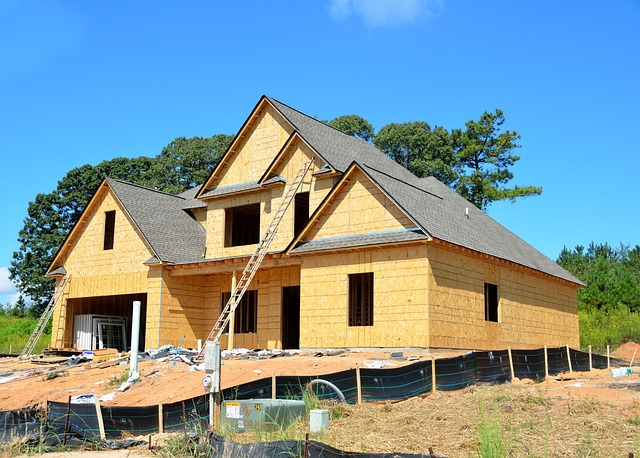
In competitive real estate markets like Blossom Rock vs Eastmark Mesa, understanding promo cycles is key to success. Tailoring campaigns to seasonal trends, demographics, and unique amenities maximizes engagement and ROI. West USA Realty's data-driven approach optimizes promotions for each area's peak demand, ensuring properties reach the right audience at critical times. This strategy fosters long-term market trends and enhances overall marketing effectiveness.
In today’s competitive marketplace, understanding the optimal timing for promotional campaigns can be a game-changer. The delicate balance between when to launch offers and sales has left many businesses grappling with the question: when is the best time to hit that ‘blossom rock’ or avoid the ‘Eastmark Mesa’ pitfalls? This article delves into the intricate dynamics of promo cycles, offering valuable insights to help businesses thrive. We explore factors influencing consumer behavior, seasonal trends, and market fluctuations, providing a strategic roadmap for maximizing campaign impact. By the end, you’ll equip yourself with actionable knowledge to time your promotions perfectly, ensuring they resonate with your audience and drive tangible results.
- Understanding Promo Cycles: The Basics Unveiled
- Blossom Rock vs Eastmark Mesa: Market Trends Examined
- Identifying Peak Seasons for Optimal Promotions
- Strategizing Based on Consumer Behavior Patterns
- Measuring Success: Evaluating Promo Cycle Effectiveness
Understanding Promo Cycles: The Basics Unveiled

Understanding promo cycles is paramount for any successful marketing strategy, especially within competitive markets like Blossom Rock versus Eastmark Mesa. These cycles, driven by consumer behavior patterns, offer optimal windows for maximizing campaign impact and return on investment (ROI). In this context, appreciating the ebb and flow of market trends becomes a strategic advantage.
Consider the concept as an annual rhythm—a natural pulse that reflects consumer inclinations. For instance, post-holiday seasons often witness a dip in spending, while back-to-school periods ignite surges in certain product categories. Recognizing these patterns allows businesses to time their promotions precisely. In the East Valley, for example, comparing master plan amenities between Blossom Rock and Eastmark Mesa reveals distinct strengths, influencing marketing approaches accordingly.
West USA Realty’s experience underscores the importance of these insights. They’ve found that aligning promo cycles with peak demand creates a positive feedback loop. During summer months, when outdoor activities thrive, targeted campaigns for outdoor gear or travel packages can blossom (pun intended). Conversely, winter promotions for home improvement projects or holiday-themed sales reflect seasonal shifts. An East Valley master plan amenity comparison further emphasizes this point; understanding which areas cater to specific demographics enables tailored messaging.
Ultimately, successful timing involves a delicate balance between market knowledge and consumer psychology. By recognizing these cycles, businesses can ensure their promotions resonate at the right moment, fostering engagement and driving sales—a strategic edge in any competitive landscape, whether it’s Blossom Rock or Eastmark Mesa.
Blossom Rock vs Eastmark Mesa: Market Trends Examined

In the competitive real estate market, understanding the optimal timing for promotional campaigns is key to success, especially when comparing hotspots like Blossom Rock and Eastmark Mesa. These areas in the East Valley have witnessed significant growth and shifting trends, making them a fascinating case study for marketing strategies. When examining promo cycles, several factors come into play, with market dynamics and consumer behavior playing pivotal roles.
Blossom Rock, known for its vibrant community and access to top-tier amenities, has seen a surge in popularity over the past year, driven largely by young professionals seeking a blend of urban convenience and suburban charm. In contrast, Eastmark Mesa, part of the larger East Valley Master Plan, offers a more diverse landscape with attractions catering to families and tech professionals alike. This disparity in target demographics presents unique challenges when timing promotional efforts. For instance, while Blossom Rock’s market trend leans towards rapid turnover and high demand for modern amenities, Eastmark Mesa’s growth is more measured, focusing on family-oriented developments and robust infrastructure.
West USA Realty experts recommend tailoring promo cycles to align with these distinct trends. In the case of Blossom Rock, a strategic push during the spring season, when the weather encourages outdoor activities, could effectively target young professionals looking for a change of pace. Conversely, Eastmark Mesa may benefit from fall campaigns that highlight the area’s established schools and community events, appealing to families seeking a more settled environment. An amenity comparison between these areas further emphasizes the need for tailored marketing; Blossom Rock’s focus on boutique retail and dining contrasts with Eastmark Mesa’s planned sports complexes and parks, each offering unique selling points for different buyer personas. By understanding and leveraging these trends, real estate professionals can ensure their promotional efforts resonate with the target audience at every stage of their journey.
Identifying Peak Seasons for Optimal Promotions

In the competitive real estate market, particularly in dynamic locations like the East Valley, timing promotional campaigns is an art that can significantly impact sales performance. Understanding peak seasons for promotions allows businesses to align their strategies with consumer behavior, ensuring maximum exposure and engagement. This approach is especially crucial when considering high-demand areas such as Blossom Rock and Eastmark Mesa, where market trends can vary greatly between neighborhoods.
Blossom Rock and Eastmark Mesa, both within the East Valley master plan area, exhibit distinct seasonal patterns in property demand due to their unique amenities and lifestyle offerings. According to recent studies, Blossom Rock tends to experience a surge in interest during the spring and early summer months, coincidental with its lush, vibrant landscape awakening from the cold winter. Conversely, Eastmark Mesa attracts buyers year-round, but peak activity often shifts towards late summer and fall, when families seek move-in ready homes for the new school year. This knowledge underscores the importance of tailoring promotional efforts to these microclimates within the larger East Valley market.
To optimize promo cycles, real estate professionals like West USA Realty should leverage data-driven insights. For instance, focusing intensively on spring promotions in Blossom Rock can drive early sales and establish a strong foothold for the year. Meanwhile, in Eastmark Mesa, timing late summer campaigns with family-focused activities and the back-to-school season can yield significant results. An east valley master plan amenity comparison reveals that these areas offer diverse attractions—from outdoor recreation at Blossom Rock to top-rated schools at Eastmark Mesa—and understanding this landscape is key to crafting effective promotional messages that resonate with prospective buyers.
By aligning promotions with peak seasons, real estate agents can blossom their marketing efforts, ensuring that properties not only stand out but also reach the right audience at the optimal time. This strategic approach, grounded in a deep understanding of local market dynamics, remains a game-changer for success in competitive real estate sectors like those found in Blossom Rock and Eastmark Mesa.
Strategizing Based on Consumer Behavior Patterns
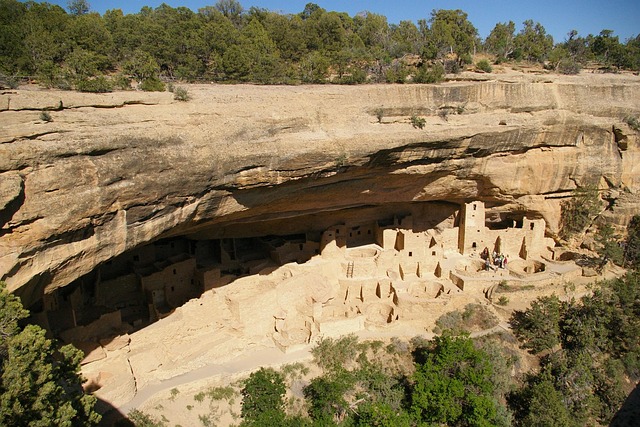
In strategizing promotional cycles, understanding consumer behavior patterns is akin to navigating a bustling landscape—each peak and valley reveals unique opportunities and challenges. For instance, consider the contrast between Blossom Rock and Eastmark Mesa in the East Valley master plan amenity comparison. Both areas exhibit distinct seasonal peaks, with Blossom Rock’s activity surging during spring break and summer vacations due to its vibrant outdoor offerings. Conversely, Eastmark Mesa experiences a surge in interest during the cooler fall and winter months when its luxurious housing options become more appealing. This knowledge allows marketers to time their promotions effectively, ensuring they reach target audiences at the optimal moments.
Moreover, recognizing recurring patterns among consumer segments is crucial. West USA Realty has found that tech-savvy millennials, drawn by modern amenities, heavily influence the market dynamics of areas like Eastmark Mesa throughout the year. Conversely, traditional families are more active in Blossom Rock during specific times, such as when schools resume after summer break. By segmenting audiences and aligning promotions accordingly, real estate experts can enhance engagement and conversions naturally.
To optimize promo cycles, track consumer behavior data meticulously. Utilize analytics tools to monitor website traffic, social media interactions, and sales trends across different seasons and demographics. For example, a detailed analysis might reveal that while Eastmark Mesa sees consistent interest year-round, specific marketing campaigns during spring and fall festivals generate higher conversion rates. This data-driven approach allows for more precise timing and content adaptation, ensuring promotions resonate with consumers at the blossom of their decision-making process.
Measuring Success: Evaluating Promo Cycle Effectiveness

Evaluating the success of promotional cycles is a critical step in understanding what drives real estate market dynamics, particularly in competitive markets like the East Valley, where areas like Blossom Rock and Eastmark Mesa compete under the broader East Valley Master Plan amenity comparison. This process involves a multi-faceted approach that goes beyond raw sales figures to uncover insights into consumer behavior and market trends.
Successful promo cycles aren’t just about immediate boosts in sales; they’re indicators of long-term market health. For instance, consider a promotional campaign that targets first-time homebuyers with attractive financing options. A surge in purchases from this segment suggests not only short-term gains but also a positive outlook for the future of homeownership. Conversely, heavy marketing focused on luxury properties without corresponding interest from high-end buyers might signal a bubble or shift in market preferences. West USA Realty, for example, has found that nuanced targeting based on demographic and psychographic data yields better results than broad, generalized campaigns.
Measuring success requires a comprehensive strategy. Key performance indicators (KPIs) should include not just sales volume but also lead generation, conversion rates, and customer satisfaction scores. Using advanced analytics, real estate professionals can identify which aspects of a promo cycle resonated most with the target audience. In Blossom Rock and Eastmark Mesa, for instance, different amenities hold varying appeals – from outdoor recreation in Blossom Rock to urban lifestyle convenience in Eastmark Mesa. By tracking engagement with promotional materials related to these amenities, agents gain valuable insights into community preferences. This data-driven approach allows for more targeted and effective future campaigns, ensuring that marketing efforts blossom (pun intended) where they’re most needed and appreciated.