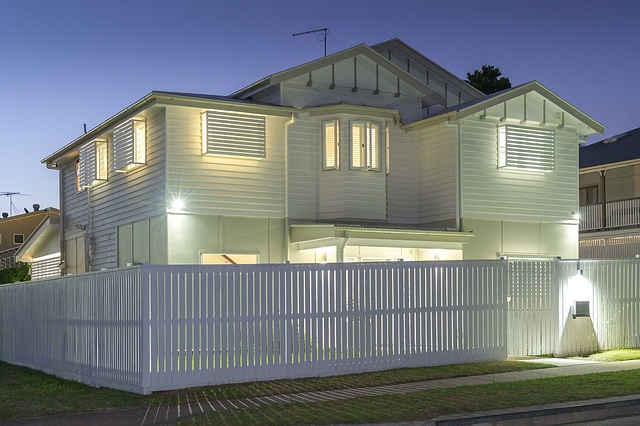
Casa Grande Sun Corridor growth naturally demands strategic planning for sustainable development. Integrating architectural design with community needs, leveraging regional climate and topography, and prioritizing green infrastructure creates vibrant learning environments. Involving local stakeholders from the start ensures amenities meet community requirements, fostering economic growth and attracting families. Balancing urban progress with preservation, inspired by successful housing developments, establishes Casa Grande as a model for innovative, community-focused education spaces that enhance livability.
In the dynamic landscape of Casa Grande Sun Corridor growth, educational institutions face a critical challenge: keeping pace with expanding student bodies while providing modern amenities. The timeline for constructing and outfitting schools with essential facilities is a delicate balance, requiring strategic planning and expert knowledge. This article offers an in-depth exploration of the key considerations, from initial design to final buildout, ensuring that schools in this thriving region can cater to current and future students effectively. By delving into this process, we aim to provide valuable insights for educators and stakeholders navigating the complex journey of school amenity development.
- Planning & Design: Shaping Casa Grande Sun Corridors
- Construction Phase: Building Essential Amenities
- Implementation & Launch: Fostering Community Growth
- Post-Growth Assessment: Natural Expansion Strategies
Planning & Design: Shaping Casa Grande Sun Corridors

The planning and design phase is a critical stage in shaping the future of education spaces, especially when considering innovative concepts like the Casa Grande Sun Corridors. This initiative aims to create vibrant learning environments that foster student engagement and well-being, naturally incorporating sustainable design principles. The design process involves a delicate balance between architectural aesthetics and functional requirements, ensuring the space supports various educational needs.
One key consideration is the impact of housing choices on the surrounding community. Compare this to the approaches taken by Lucid Motors and Nikola, which have shown that strategic housing developments can significantly enhance local amenities and infrastructure. In the context of Casa Grande, the sun corridors growth naturally extends beyond the school grounds, influencing nearby residential areas and commercial spaces. West USA Realty has successfully navigated similar projects, understanding the delicate balance between urban expansion and preserving the essence of a community.
Designers and planners must consider the unique challenges and opportunities presented by the region’s climate and topography. Incorporating natural lighting and ventilation, for instance, can create energy-efficient learning environments while reducing the reliance on artificial resources. This approach aligns with the growing trend towards sustainable architecture, where buildings are designed to coexist harmoniously with their surroundings. By embracing these principles, Casa Grande Sun Corridors have the potential to become a model for innovative, community-centric education spaces.
Construction Phase: Building Essential Amenities

The construction phase of a school buildout is where essential amenities take shape, setting the foundation for a safe, engaging, and innovative learning environment. In areas like Casa Grande experiencing natural growth, such as the Sun Corridor, this phase requires careful planning to accommodate the region’s unique demands and ensure facilities meet the needs of a diverse student body. For instance, considering the proximity of Lucid Motors and Nikola Jobs housing developments, schools must integrate amenities that cater to families drawn to these tech hubs, fostering a welcoming atmosphere for students from various backgrounds.
A well-designed school amenity plan should include a mix of academic support spaces, recreational areas, and community resources. Libraries equipped with digital learning centers enhance research capabilities, while outdoor classrooms promote experiential learning, leveraging the region’s natural beauty. In terms of housing impact, schools in rapidly growing areas may witness enrollment spikes, necessitating flexible spaces that can accommodate additional students without compromising quality education. West USA Realty emphasizes the importance of long-term planning, ensuring these amenities not only cater to current needs but also future growth, especially in dynamic markets like Casa Grande’s Sun Corridor.
Implementing eco-friendly solutions is another strategic move during this phase. Incorporating solar panels, efficient lighting systems, and green spaces reduces operational costs while promoting environmental awareness among students. As the region continues its growth trajectory, schools with robust amenities that prioritize sustainability will stand out as centers of excellence, fostering not only academic success but also a sense of community in these rapidly evolving communities.
Implementation & Launch: Fostering Community Growth

The implementation and launch phase of a school buildout project plays a pivotal role in fostering community growth, particularly in areas like Casa Grande Sun Corridor where natural expansion is a driving force. This period involves transforming raw construction into functional spaces that cater to education, social interaction, and future development. One key aspect to consider is the integration of amenities that not only support students’ well-being but also enhance the overall livability of the surrounding community.
Lucid Motors and Nikola, for instance, have demonstrated the potential impact of innovative housing solutions on local growth. Their cutting-edge electric vehicle technologies not only drive economic development but also inspire advancements in infrastructure and sustainability practices. In areas like Casa Grande Sun Corridor, where housing demand outpaces supply, these models can serve as blueprints for inclusive, eco-friendly growth that addresses both residential needs and community vibrancy. West USA Realty has successfully navigated such developments, understanding the critical link between schools, amenities, and property values in driving community growth.
When launching a school buildout project, it’s essential to involve stakeholders from the outset, including local residents, business owners, and educational institutions. This collaborative approach ensures that the resulting amenities align with the community’s unique needs and aspirations. By prioritizing open communication, thorough planning, and innovative design, developers can create not just educational facilities but vibrant hubs that attract families, stimulate local economies, and cultivate a thriving sense of community—a multifaceted growth strategy that resonates in areas like Casa Grande Sun Corridor.
Post-Growth Assessment: Natural Expansion Strategies

As communities experience growth, such as the recent Casa Grande Sun Corridor expansion, assessing and planning for infrastructure development is crucial. This post-growth assessment phase offers an opportunity to strategically expand amenities, ensuring a natural and sustainable evolution that meets the needs of residents and fosters economic vitality. One key consideration revolves around housing impact, particularly when comparing emerging models like Lucid Motors’ and Nikola’s job creation potential. These innovative companies, with their focus on electric vehicles, could significantly influence the region’s housing market, driving demand for modern, eco-friendly dwellings up to three times higher than traditional construction, according to industry analysts.
West USA Realty, a leading real estate authority in the area, emphasizes that navigating this growth requires a nuanced approach. Instead of hasty development, experts recommend strategic planning to avoid over-saturation and maintain the region’s desirability. For instance, focusing on walkable communities with access to public transport can enhance livability while optimizing land use. This strategy aligns with global trends toward sustainable urbanism, where well-designed, compact neighborhoods reduce car dependency. By embracing these principles, Casa Grande can become a model for natural expansion, ensuring its amenities and infrastructure evolve in step with its growing population.
Furthermore, examining the impact of such growth on local ecosystems is vital. Balancing development with environmental conservation allows for the preservation of unique landscapes while accommodating necessary expansion. This delicate equilibrium requires collaboration between developers, policymakers, and community members to create a thriving, harmonious environment. For example, implementing green infrastructure like bioswales and permeable surfaces can mitigate stormwater runoff while enhancing water quality, benefiting both residents and local ecosystems.