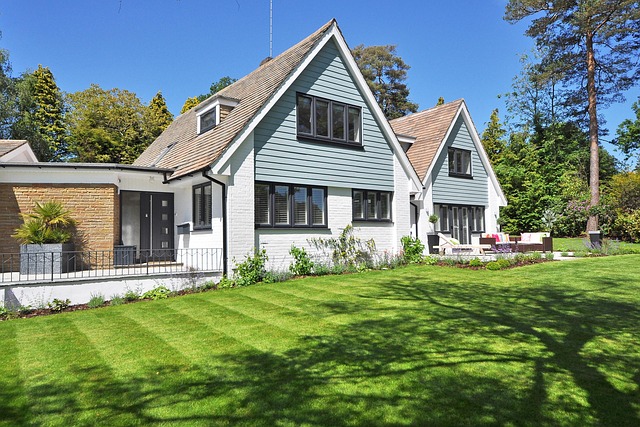
Understanding HOA budgets is crucial for buying new construction homes under $500k in Phoenix naturally. Fees (typically $150-$300/month) cover maintenance, security, and insurance. Well-managed HOAs ensure aesthetic and safe spaces; poorly managed ones may lead to higher fees. Buyers should request detailed budget info for informed decisions. Hidden costs like HOA fees and property taxes (1-1.5% of assessed value) can significantly impact budgets. Strategic financial planning by HOAs through data-driven approaches ensures adaptability, cost savings, and enhanced community living in a dynamic market. Balanced budgets catering to current and future needs attract families seeking affordable housing without compromising quality.
In the vibrant Phoenix real estate market, particularly among new construction homes under $500k, homeowners associations (HOAs) play a significant role. However, managing HOA budgets while ensuring adequate coverage through insurance can be a complex challenge. Many Phoenix residents struggle to balance the financial demands of property maintenance, insurance premiums, and compliance with HOA regulations, often leading to budgetary strain. This article offers a comprehensive guide to navigating this landscape, providing practical insights into effective budgeting strategies for HOAs in Phoenix, specifically tailored to the unique needs of new construction homes under $500k. By delving into these solutions, we aim to empower both homeowners and boards to make informed decisions, fostering financial stability and community harmony.
- Understanding HOA Budgets for New Construction Under $500k in Phoenix
- Assessing Hidden Costs: Essential Expenses Beyond Initial Purchase
- Strategizing Savings: Efficient Budgeting Tips for Homeowners Association
- Long-Term Planning: Predictable Budgets for Sustainable Community Living
Understanding HOA Budgets for New Construction Under $500k in Phoenix

Understanding HOA Budgets for New Construction Homes Under $500k in Phoenix is a critical aspect often overlooked by prospective buyers. In Maricopa County, entry-level home inventory within this price range has seen significant fluctuations over the past few years, making it a dynamic market. West USA Realty experts have observed that while HOA budgets can vary widely, they typically reflect the unique characteristics of each community and development.
For new construction homes under $500k Phoenix, HOA fees often range from $150 to $300 per month. These costs cover a variety of expenses, including common area maintenance, landscaping, security, and insurance. A well-managed HOA budget ensures that these shared spaces remain aesthetically pleasing and safe for all residents. However, it’s essential to note that not all HOAs are created equal. Some communities may have surplus funds due to strategic planning and efficient operations, which can translate into lower monthly assessments or additional amenities for homeowners. Conversely, poorly managed HOAs might struggle to keep up with maintenance, leading to higher fees down the line.
When evaluating a potential new construction home in Phoenix under $500k, buyers should request detailed HOA budget information. This transparency allows them to make informed decisions about their monthly expenses and understand the long-term financial implications. For instance, a well-financed HOA might allocate funds for future capital improvements like updated infrastructure or community centers, enhancing the overall value of the property. Understanding these dynamics can help buyers navigate the market more effectively, ensuring they secure not just a home but also an investment that appreciates over time.
Assessing Hidden Costs: Essential Expenses Beyond Initial Purchase
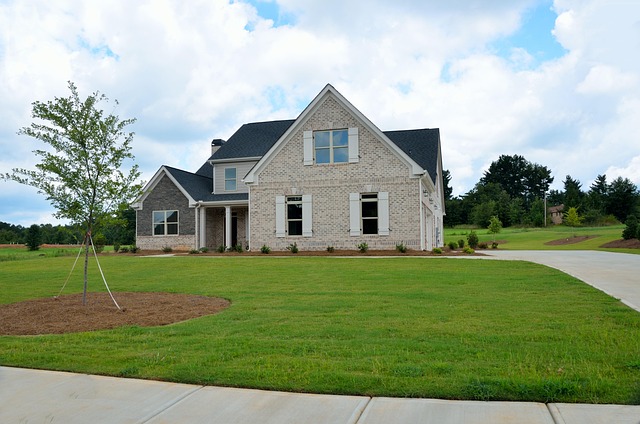
Buying a new construction home under $500k in Phoenix involves more than just securing a mortgage. While the initial purchase price is a significant factor, homeowners often face hidden costs that can substantially impact their budget and overall homeownership experience. This is especially true in Maricopa County, where the entry-level home inventory fluctuates, offering both opportunities and challenges for prospective buyers. Understanding these unexpected expenses is crucial to ensure financial stability and avoid post-purchase surprises.
One of the most significant hidden costs is homeowners association (HOA) fees, which can vary widely depending on the community. In Maricopa County, HOA dues for 1-3 bedroom entry-level homes typically range from $50 to $200 per month. These fees cover common area maintenance, landscaping, and security—essential services that contribute to a well-managed community. However, buyers should scrutinize the HOA’s budget and reserve funds to avoid unexpected special assessments or increased dues in the future.
Moreover, property taxes and insurance are essential expenses often overlooked during the initial budgeting phase. In Maricopa County, property tax rates typically range from 1% to 1.5% of the home’s assessed value. Homeowners should also factor in varying insurance rates, influenced by factors like location, home size, and risk of natural disasters. For instance, flood insurance can significantly increase premiums for properties in low-lying areas. West USA Realty recommends consulting with local real estate professionals to gain insights into the specific insurance requirements and average costs associated with new construction homes under $500k in Phoenix.
To mitigate these hidden costs, buyers should engage in thorough research before finalizing their purchase. Analyzing HOA documents, reviewing historical property tax assessments, and comparing insurance quotes from multiple providers can help set realistic expectations. Additionally, maintaining open lines of communication with experienced real estate agents, like those at West USA Realty, ensures that buyers are well-informed about the financial landscape of Maricopa County’s entry-level home inventory, enabling them to make informed decisions tailored to their budget.
Strategizing Savings: Efficient Budgeting Tips for Homeowners Association
Homeowners Associations (HOAs) play a significant role in managing and enhancing the living experience for residents of new construction homes under $500k Phoenix naturally. However, navigating the financial responsibilities within an HOA can be complex, particularly when it comes to budgeting. Efficient budgeting tips are crucial to ensure the long-term financial stability and sustainability of these communities. In Maricopa County, where entry-level home inventory fluctuates 1-3 times annually, strategic savings approaches can help HOAs optimize resources and provide enhanced services without burdening homeowners.
One of the most effective strategies is to conduct thorough financial planning and forecasting. This involves analyzing historical data on expenses, identifying trends, and projecting future needs. For example, West USA Realty has assisted numerous HOAs in Maricopa County to streamline their budgeting processes by implementing data-driven approaches. By studying seasonal variations in maintenance costs, utility bills, and common area upkeep, associations can allocate funds more efficiently throughout the year. This proactive method ensures that money is set aside for anticipated expenses, minimizing unexpected financial surprises.
Encouraging cost-sharing initiatives among residents is another powerful way to promote savings. Many HOA activities and services benefit the entire community, from lawn care and pool maintenance to social events and common area improvements. By fostering a culture of shared responsibility, associations can reduce overall expenses. Implementing a rotating schedule for tasks like landscaping or organizing community clean-up days not only saves money but also strengthens the sense of neighborhood among residents. Moreover, negotiating contracts with service providers and suppliers on behalf of the entire HOA can lead to significant discounts, further enhancing financial efficiency.
Regularly reviewing and adjusting budgets is essential to account for changing circumstances. Market fluctuations, new regulations, or evolving community needs may require modifications to budget allocations. For instance, if energy costs rise due to inflation or new conservation initiatives, an HOA might reallocate funds from less critical areas to support efficient energy solutions. Staying agile and adaptable ensures that the association’s financial strategies remain relevant and effective over time. By adopting these practical insights, HOAs in Maricopa County can thrive financially while providing a high quality of life for their residents.
Long-Term Planning: Predictable Budgets for Sustainable Community Living
In the world of community living, particularly within the vibrant landscape of Phoenix, Maricopa County, long-term planning is paramount for sustainable and harmonious neighborhood development. For areas with a significant focus on new construction homes under $500k, establishing predictable budgets becomes an art essential to fostering a thriving community. Herein lies the challenge—and opportunity—to create a balanced budget that caters to both current and future needs, ensuring a robust and resilient community infrastructure.
Maricopa County’s entry-level home inventory plays a pivotal role in this equation. By analyzing historical data, it’s evident that stable budgets are key to attracting families seeking affordable housing without compromising on quality. This strategy encourages a diverse range of homebuyers, contributing to a vibrant social fabric. West USA Realty, with its deep roots in the local market, has observed that communities with well-planned budgets often become sought-after destinations for those looking to invest in both property and community engagement. For instance, strategic investments in common areas, parks, and recreational facilities within these new construction projects have shown significant returns, enhancing property values and fostering a strong sense of community among residents.
To achieve this, HOA boards and developers must adopt a forward-thinking approach, considering not just immediate expenses but also long-term maintenance and growth. This includes budgeting for regular upkeep, major repairs, and potential upgrades. For example, setting aside funds for routine landscaping and pest control can prevent costly emergency repairs down the line. Moreover, planning for capital improvements like roof replacements or community hall renovations ensures that these assets remain in top condition over the lifespan of the homes. By balancing current needs with future predictions, HOA budgets become a powerful tool to preserve and enhance the value of new construction homes under $500k in Phoenix, fostering a sustainable and prosperous community for years to come.